

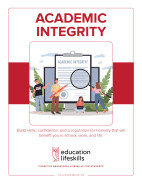
Academic Integrity ( SCH 216 )
Academic integrity is the foundation of meaningful learning. It means being honest in your work, giving credit to others when appropriate, and taking responsibility for your own learning. In this course, you’ll learn what academic integrity is, why it matters, and how to avoid common mistakes like plagiarism, cheating, and misuse of technology. By practicing academic integrity, you’ll build skills, confidence, and a reputation for honesty that will benefit you in school, work, and life.
Course Overview
Boundaries - Dating Violence Prevention ( SCH 205 )
Boundaries – Dating Violence Prevention is a cognitive awareness course designed to help teens become safer and more aware of their own and other boundaries. It is written in a story format as it follows individual lives and consequences of both victims and perpetrators. It is also a short course on Constitutional rights that protect people from abuse and their pursuits to happiness. It is one of several short courses that all come together to help teens navigate the many difficult obstacles they face and stay out of harm's way into adulthood.
Course Overview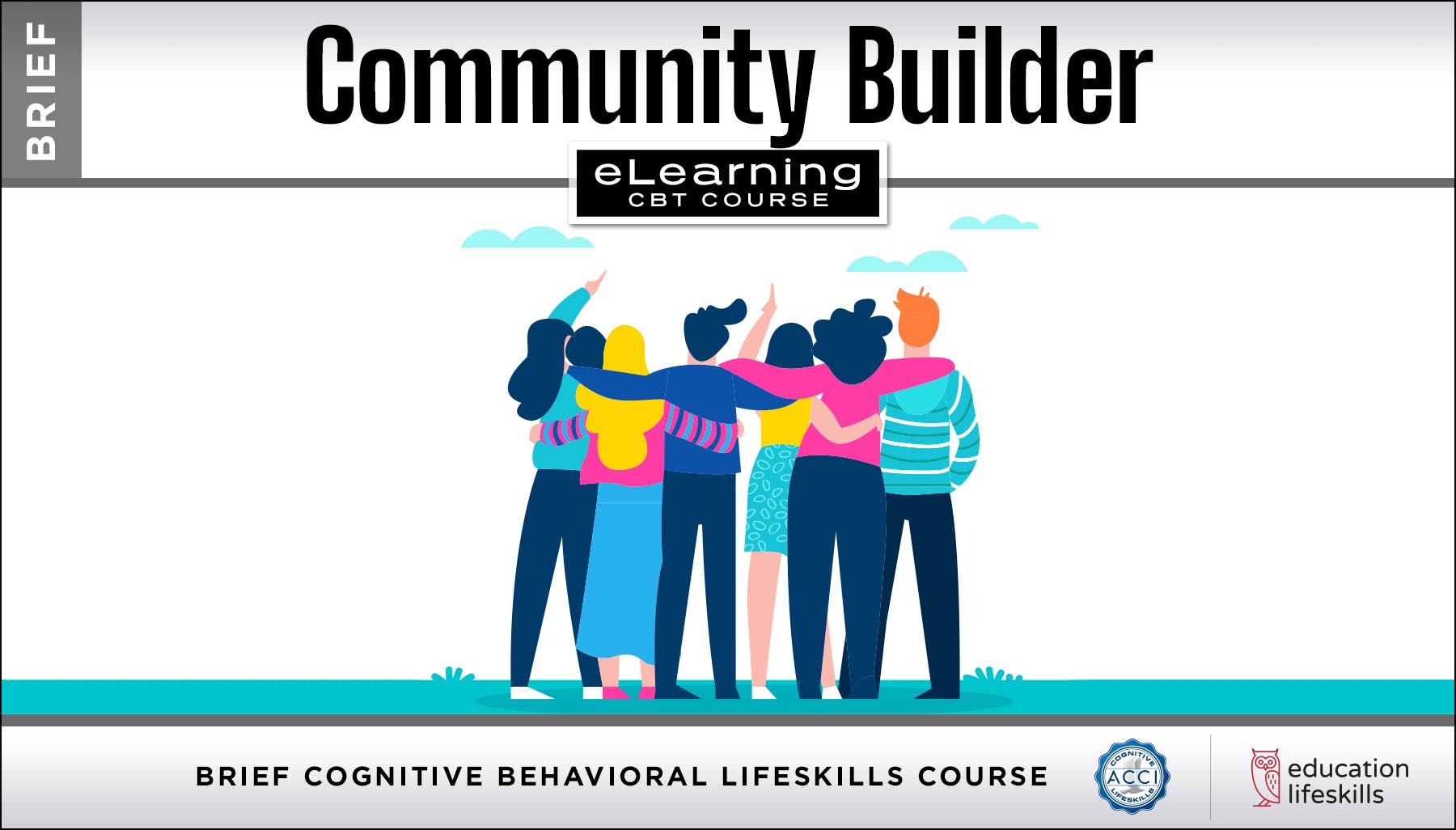
Brief Community Builder ( BIC 327 )
The Community Builder brief intervention course helps students develop tools to create inclusive communitiesThis is not an educational course, rather, this course is designed to help students understand the different communities they belong to and that communities play an enormous role in their lives. It helps students have the desire to become a community builder, which means promoting understanding, respect, empathy, and inclusion.
Course Overview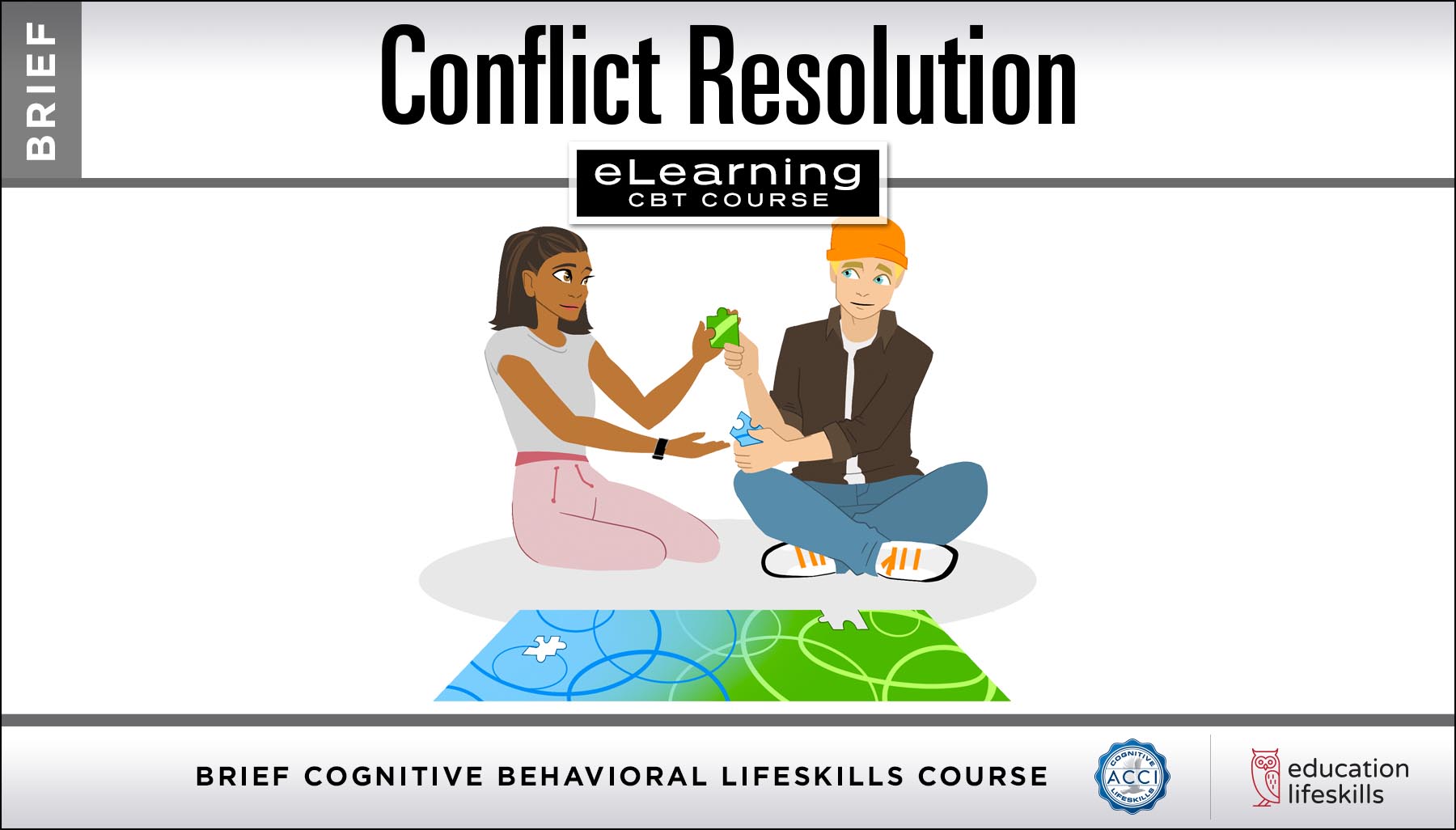
Brief Conflict Resolution ( BIC 317 )
The Conflict Resolution Brief course was created with student-adult conflicts in mind. The course material explores the emotional hierarchy of needs, and how unfulfilled emotional and social needs can lead to disruptive behavior in both youth and adults. The course also focuses on the importance of developing positive relationships with caregivers, and how adults can become a coach or mentor for youth.
Course Overview
Brief Decision Making ( BIC 323 )
The Decision Making Skills course is designed for students who struggle with making good choices.
Course Overview
Brief Humanity ( BIC 326 )
The Humanity brief intervention course helps students develop a deep understanding of humanity and human connection. Students will learn to develop empathy as a skill, a vital part of making meaningful connections with others. With case studies of historical figures who exemplify high levels of humanity and empathy, students will be encouraged to take personal responsibility for developing these skills in themselves.
Course Overview
Brief Marijuana Prevention ( BIC 315 )
The Marijuana Prevention Brief course provides information on marijuana use and abuse. It is designed to present students with opportunities to consider their values, attitudes and beliefs around marijuana. This course does not focus on the political differences that surround marijuana use; rather, it confronts underlying thinking errors that lead to poor decision-making and negative life outcomes.
Course Overview
Brief Showing Up ( BIC 321 )
The Showing Up Brief course is designed for students who struggle with truancy due to negative values, attitudes, and beliefs around attending school. The course material discusses the importance of showing up for oneself - both in school and in life. Students will also work on topics such as personal responsibility, attendance, and habits for success.
Course Overview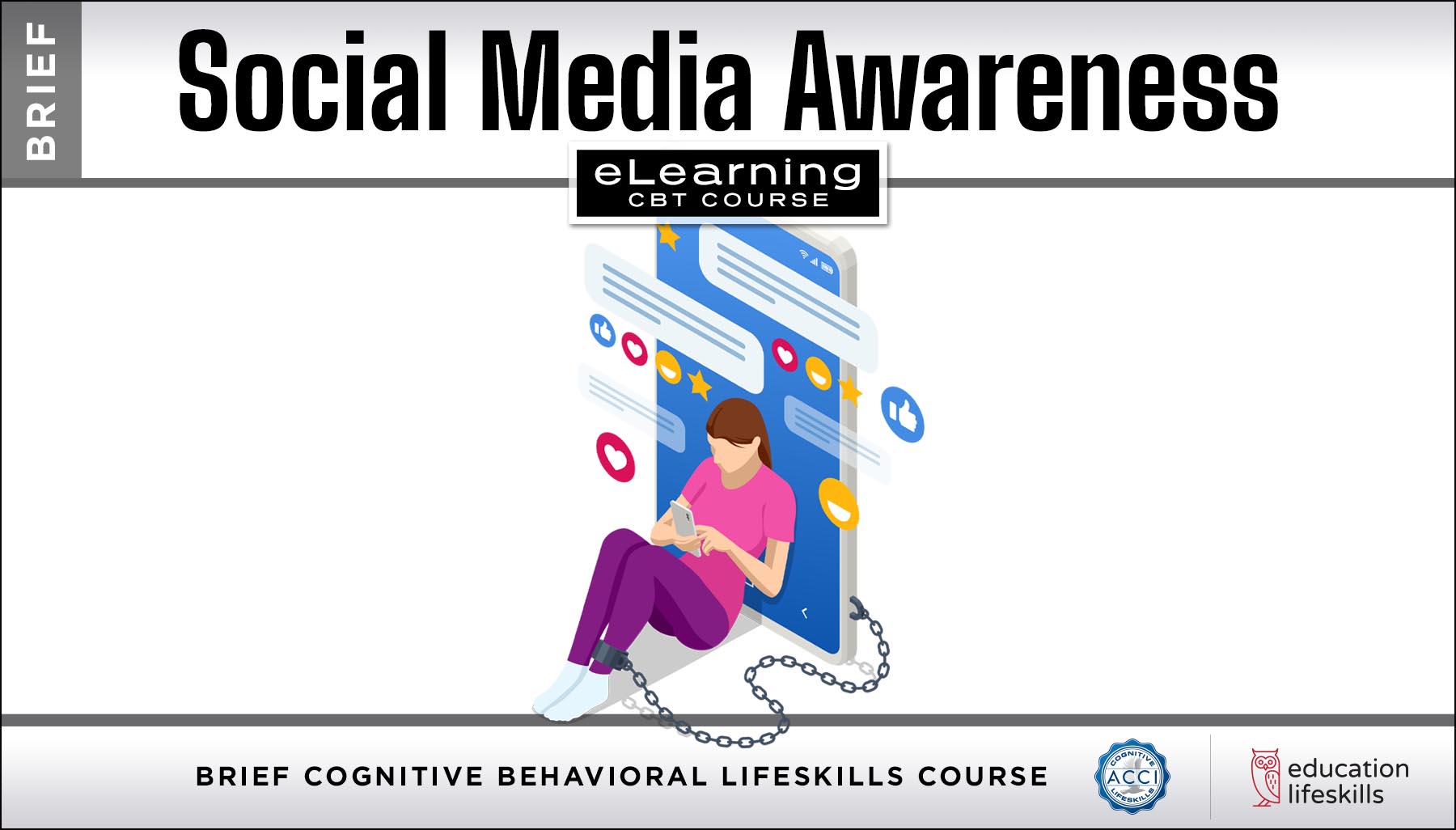
Brief Social Media Awareness ( BIC 325 )
The Social Media Awareness brief intervention course helps students become more aware and responsible for their social media and gaming interactions. This is not an educational course, rather, this course is designed to help students overcome the underlying thinking errors that are associated with negative and non-prosocial online behavior. It helps students uncover their drivers for inappropriate online behavior and provides timely insights and opportunities for self-awareness for taking personal responsibility for the impact of their online behavior.
Course Overview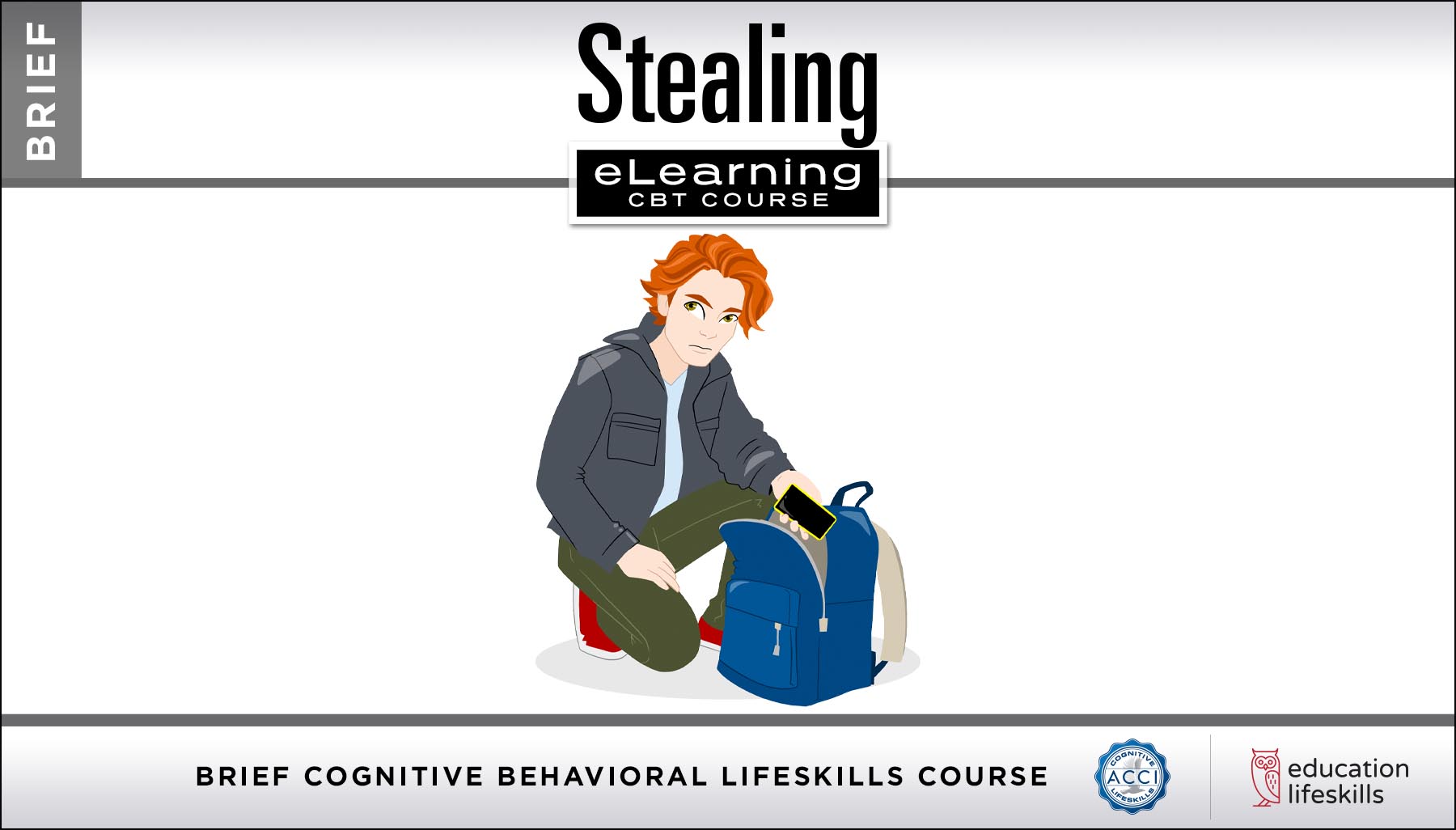
Brief Stealing ( BIC 318 )
The Stealing Brief course is designed to challenge the thinking errors that are associated with theft. People steal things from others for a variety of reasons that usually begin with a faulty thinking pattern. The course material discusses the impact of theft on the victims, emphasizes responsibility and honesty, and illustrates how stealing negatively affects our schools and communities.
Course Overview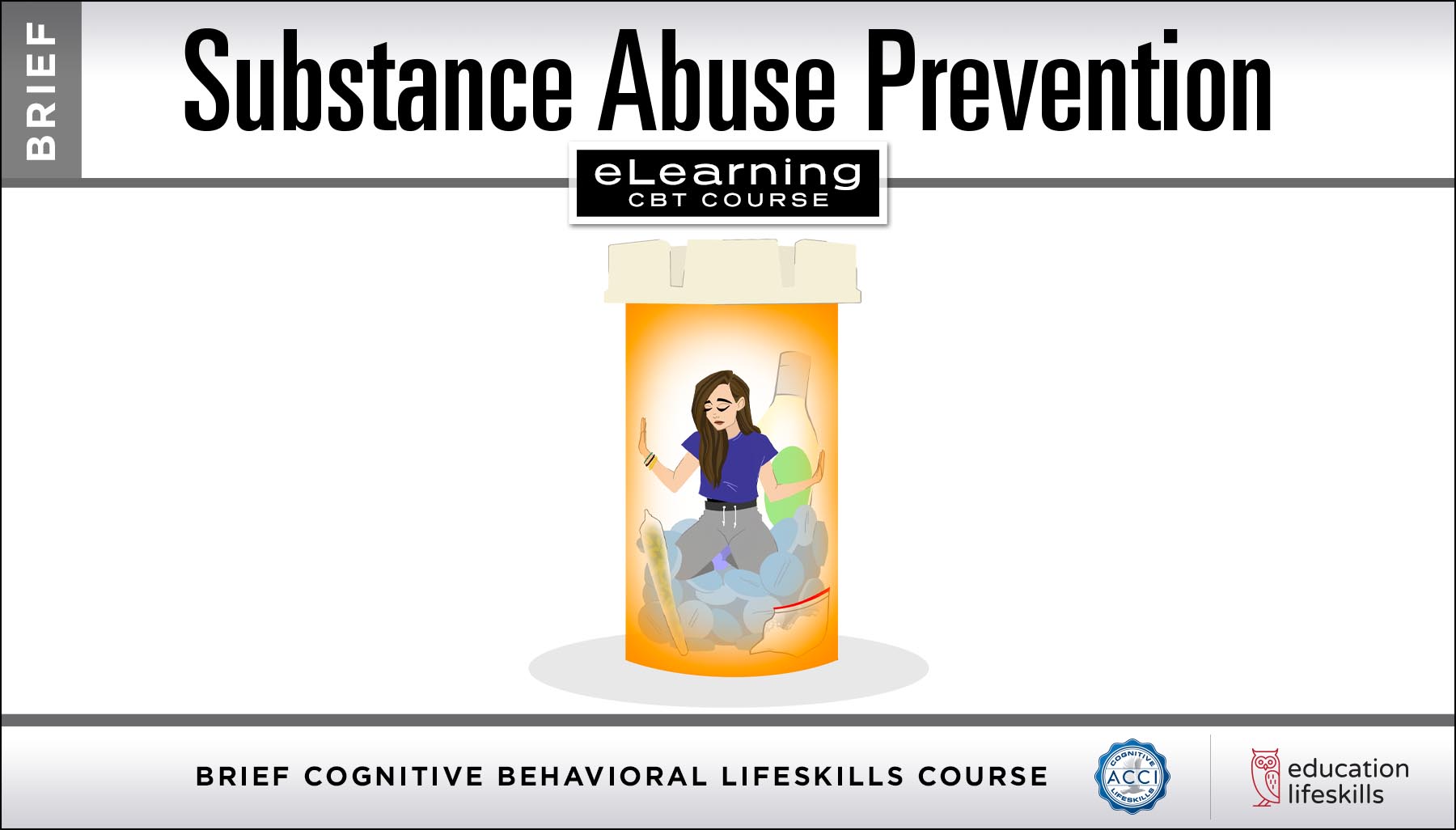
Brief Substance Abuse Prevention ( BIC 319 )
The Substance Abuse Prevention Brief course is designed to help students become aware of harmful substances that are becoming available to students. Students are presented with the difference between casual use and addiction and the corresponding consequences in case scenarios based on true stories. The course also acknowledges some common reasons for heavy drug use, and insights for living a life free of substance abuse.
Course Overview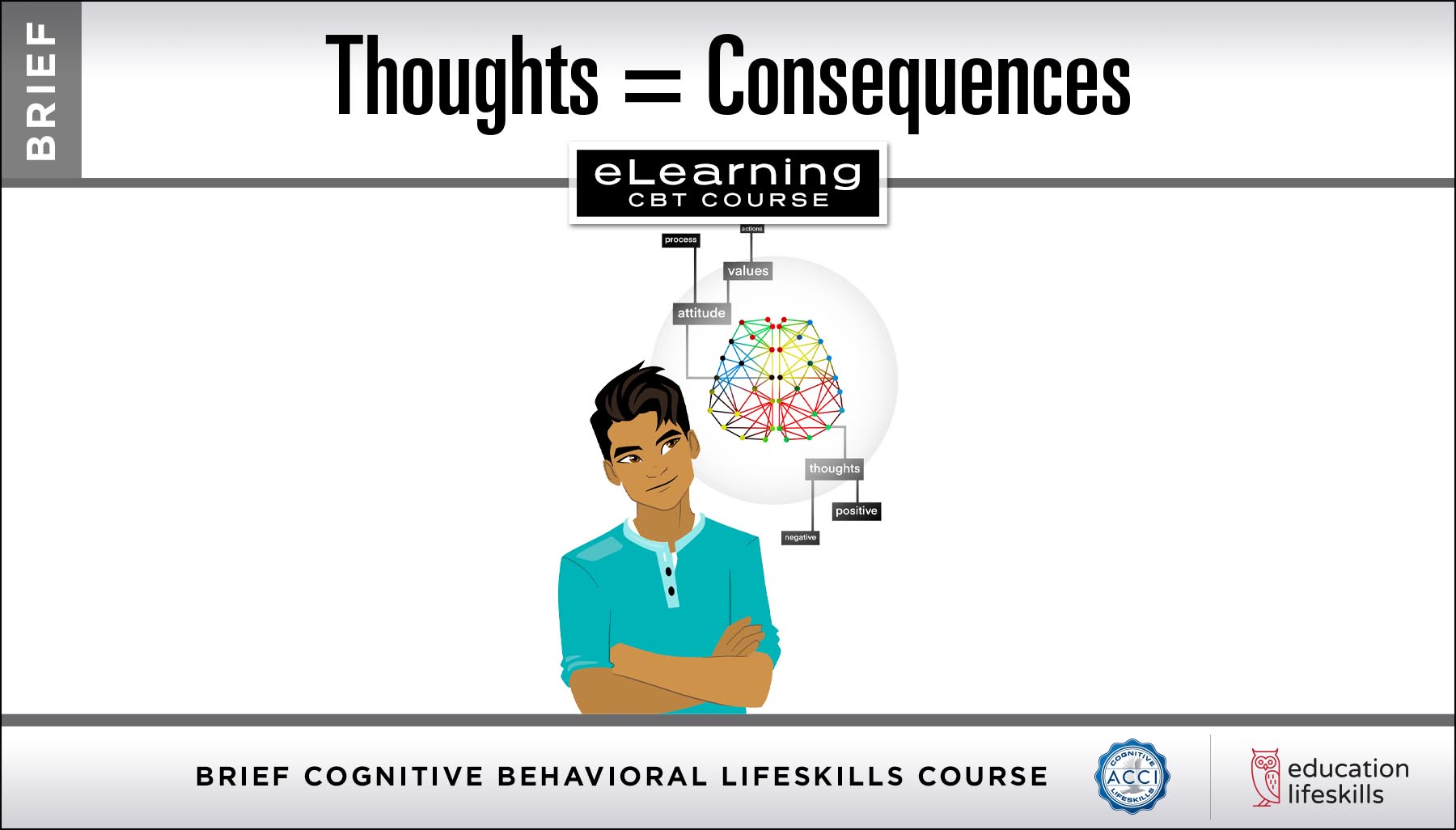
Brief Thoughts = Consequences ( BIC 320 )
The Thoughts = Consequences Brief course is for students who struggle with making positive choices on campus and in life. The course highlights the ACCI Subconscious Mind Model which illustrates how our subconscious mind is programmed through repeated experiences and relationships. Students will learn about “scripting” and how they can positively “script” their thinking patterns and rewrite negative beliefs about themselves and the world around them.
Course Overview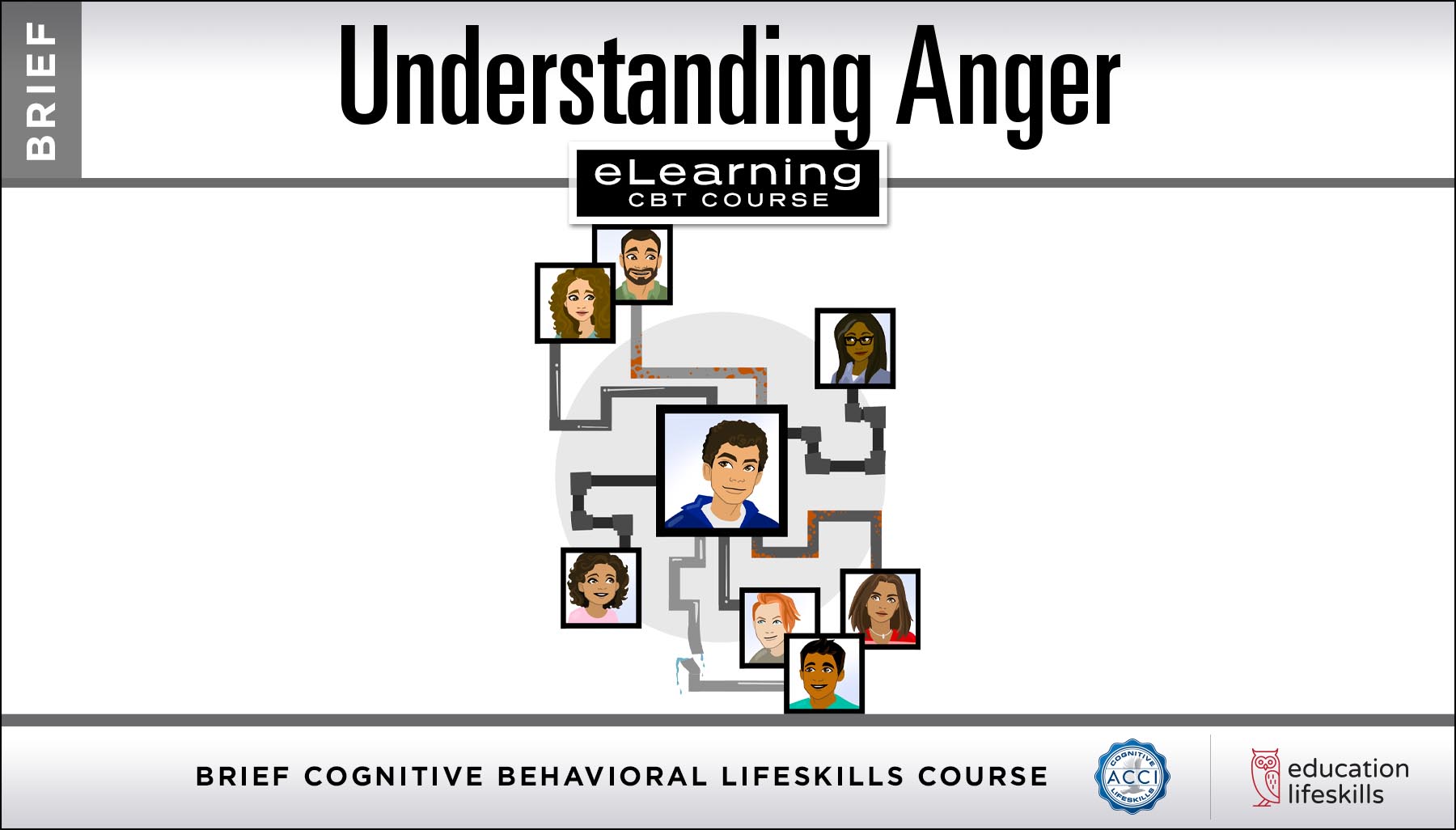
Brief Understanding Anger ( BIC 314 )
The Understanding Anger Brief course is designed to help students navigate peer-to-peer conflicts. The focus of this course is to help students identify their sources of anger and to develop skills for avoiding it. Students will learn the difference between primary and secondary emotions and the role they play in manifestations of anger.
Course Overview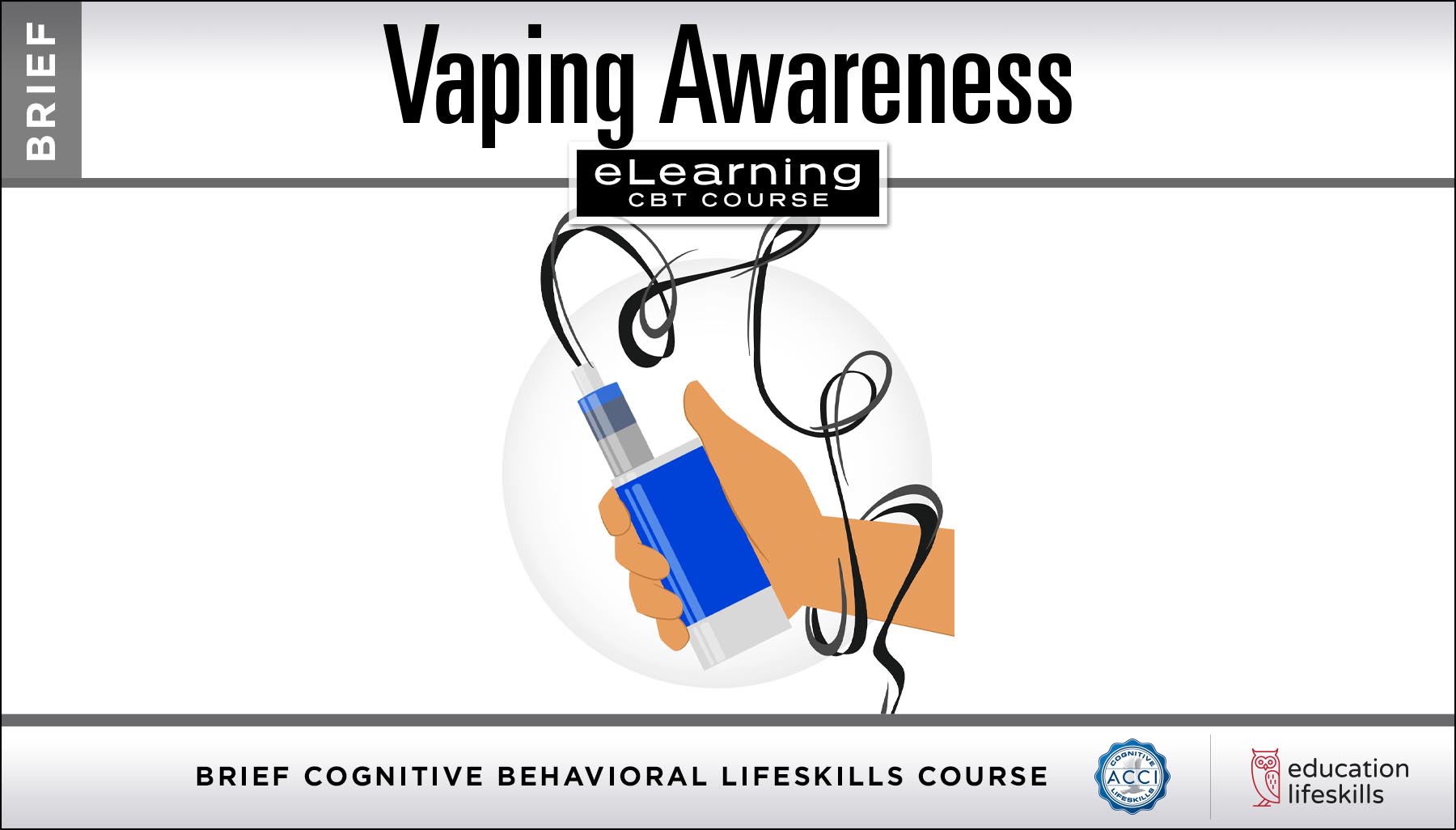
Brief Vaping ( BIC 321 )
The Vaping Awareness Brief course presents students with several facts, stories and questions that help them understand the risks associated with vaping. The course challenges students’ thought processes and provides opportunities for new perspectives and self-discovery.
Course Overview
Bullying Prevention ( SCH 206 )
Bullying Prevention is a cognitive life skills course for students written in a story format that follows the lives of those being bullied and and those doing the bullying. The course highlights the consequences for both the victim and perpetrator. The objective is to demonstrate the serious problems associated with bullying in its many forms. The course defines bullying and helps students become self-aware of their potential to bully or become a victim of bullying.
Course Overview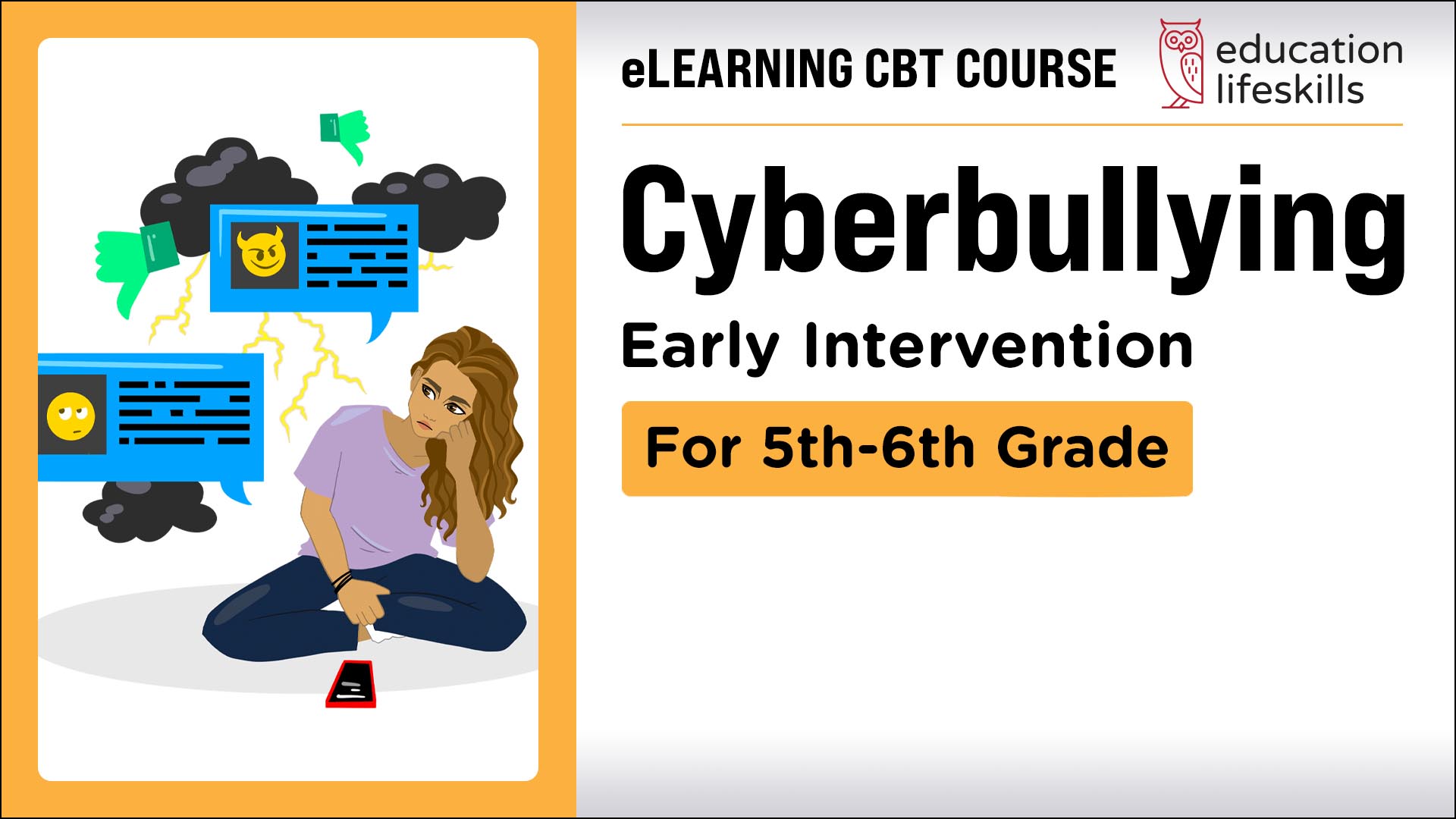
Cyberbullying ( SCH 256 )
The Cyberbullying course defines different kinds of bullying, and will challenge students to take more responsibility for their digital interactions. Students taking this course will be more aware of their values, attitudes, and beliefs, and some common reasons for bullying. The course material highlights the negative effects of bullying for both the victim and perpetrator, as it helps students identify underlying thinking errors that lead to negative behavior.
Course Overview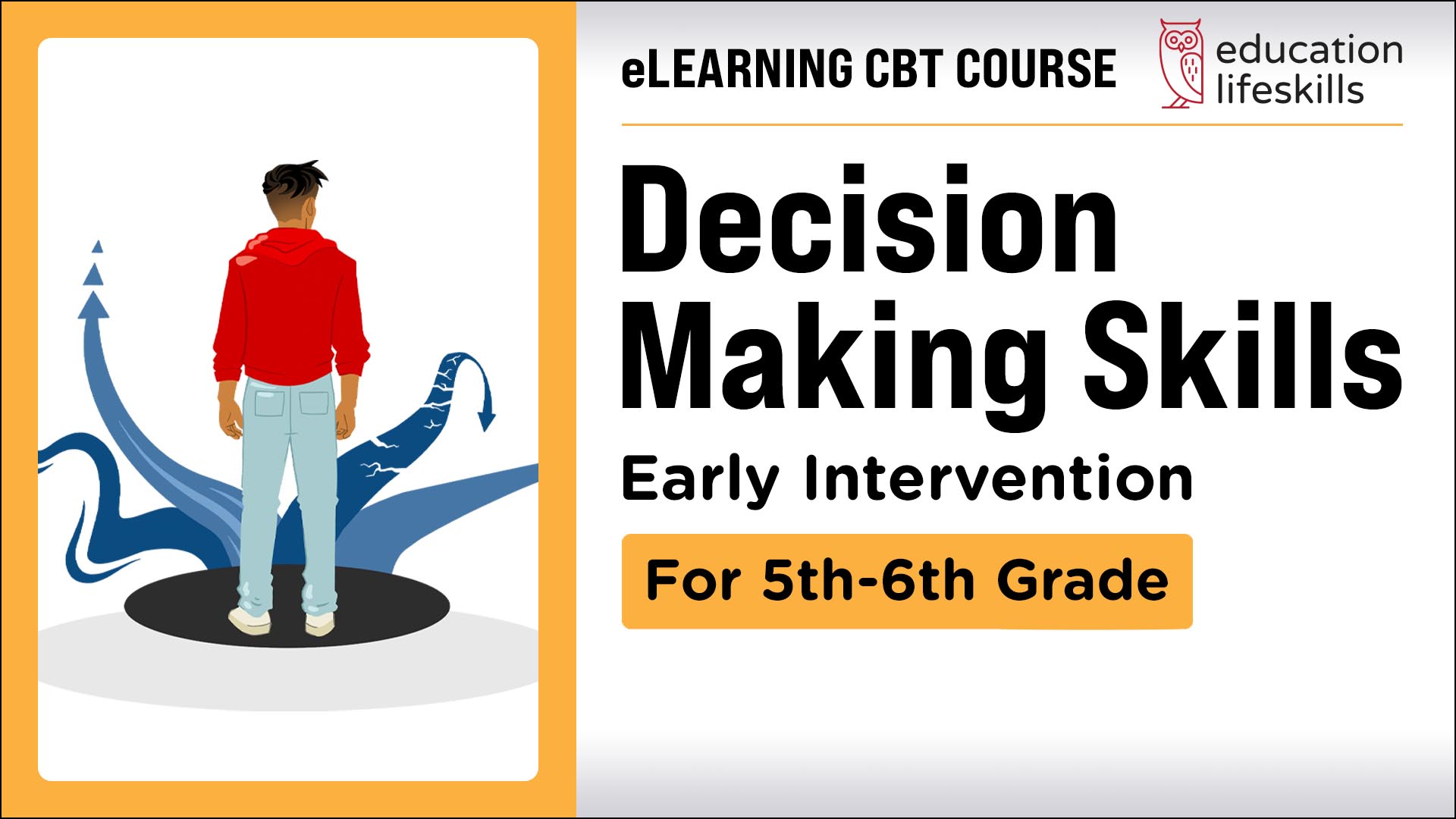
Decision Making Skills ( Sch 257 )
The Decision Making Skills Early Intervention course is designed for students who struggle with truancy due to negative values, attitudes and beliefs around attending school. The course material discusses the importance of showing up for oneself - both in school, and in life. Students will also work on topics such as personal responsibility, attendance, and habits for success
Course Overview
Device Management ( SCH 215 )
The objective of this course is learning to use technology intentionally so it supports the life you WANT rather than quietly taking control of your time, attention, and choices. This course helps students develop greater self-awareness and self-management in their use of digital devices. Through reflection, skill-building, and practical strategies, students will identify unhelpful technology habits, replace them with healthier behaviors, and learn to use technology in ways that support their values, goals, relationships, and overall well-being.
Distracted Driver ( SCH 207 )
The Distracted Driver course is ideal for teenagers and young adults who find it challenging to manage distractions and specifically technology distractions while driving a motor vehicle. This is not a standard traffic program nor is it a traffic education program; rather, it is a cognitive awareness course that helps students develop a safety-first mindset while operating a moving vehicle. This course offers insights and awareness that increase driver responsibility.
Course Overview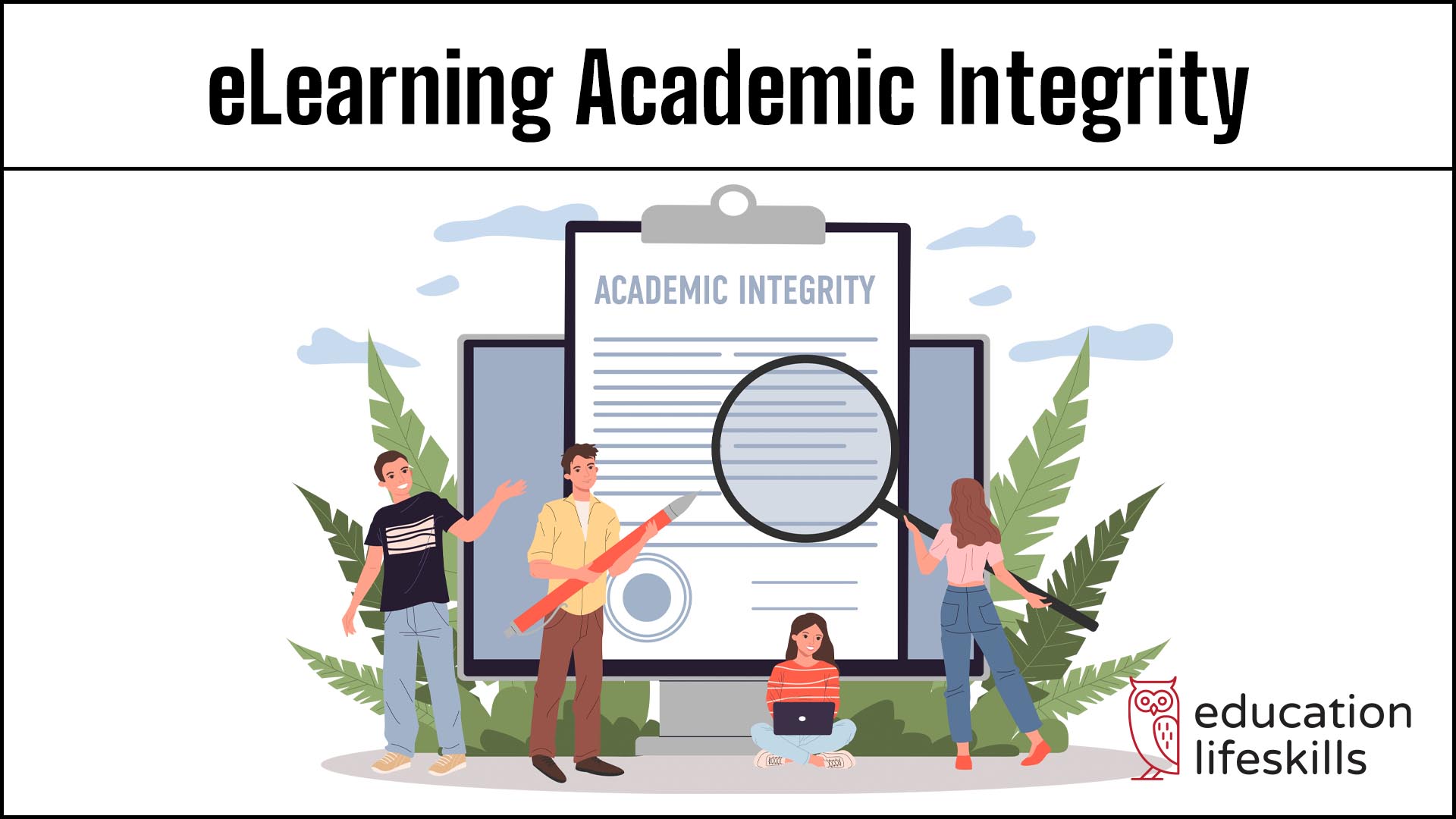
eLearning Academic Integrity ( SCH 216 )
Academic integrity is the foundation of meaningful learning. It means being honest in your work, giving credit to others when appropriate, and taking responsibility for your own learning. In this course, you’ll learn what academic integrity is, why it matters, and how to avoid common mistakes like plagiarism, cheating, and misuse of technology. By practicing academic integrity, you’ll build skills, confidence, and a reputation for honesty that will benefit you in school, work, and life.
Course Overview
Elevation - Cognitive Employment For Teens ( SCH 203 )
This course is written in a story format and focuses on interpersonal and job seeking skills that can be used for a lifetime. Most high school students and teenagers have the physical skills to become successful at work, but are often deficient in the cognitive skills that must come first. If students never elevate their thinking, they can never elevate their behavior. This course is delivered in 4 units, and take approximately 4 to 6 hours to complete.
Course Overview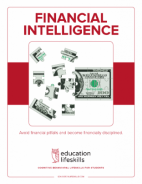
Financial Intelligence ( SCH 212 )
Money management is one of the most important skills your students can learn, and our course will teach them everything they need to know to make smart financial decisions. From saving for college to investing, our course covers it all!
Course Overview
Humanity ( SCH 214 )
The Humanity course is designed to foster a deep understanding of humanity and human connection. Students will explore bias and prejudice, and the ways in which they disconnect us from each other. Students will also learn to develop empathy as a skill, a vital part of making meaningful connections with others. With case studies of historical figures who exemplify high levels of humanity and empathy, students will be encouraged to take personal responsibility for developing these skills in themselves. Students will be equipped with the tools to create inclusive environments, embrace differences, and build up their communities.
Course Overview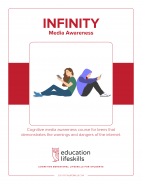
Infinity - Media Awareness ( SCH 202 )
Infinity is a social media awareness course for today’s students. It covers four separate subjects; gaming, sexting, social media addiction, and cyber-bulling. This is not an educational course, rather, It is a cognitive awareness course that focuses on prevention and early intervention. It is written as historical fiction as it follows the lives of young people as they encounter real and possible problems with social media.
Course Overview
Initiative ( SCH 213 )
This course empowers young teens by helping them discover and nurture their motivation to become their best selves. Through understanding the causes of apathy, students will take ownership of their learning and personal development. The course equips students with coping strategies to address the roots of apathy, while fostering grit and resilience through self-discovery and positive thinking skills. Students will learn to set meaningful goals, identify their strengths, measure success, and ultimately find purpose and direction in their lives.
Course Overview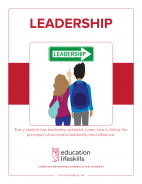
Leadership ( SCH 208 )
This Leadership course for teens focuses on the cognitive thinking skills that develop good leadership skills and how these skills can influence others in a positive way. It is a work of historical fiction and follows the lives of Marty and others as they learn and implement the principles and top-tier requirements for leading and influencing others.
Course Overview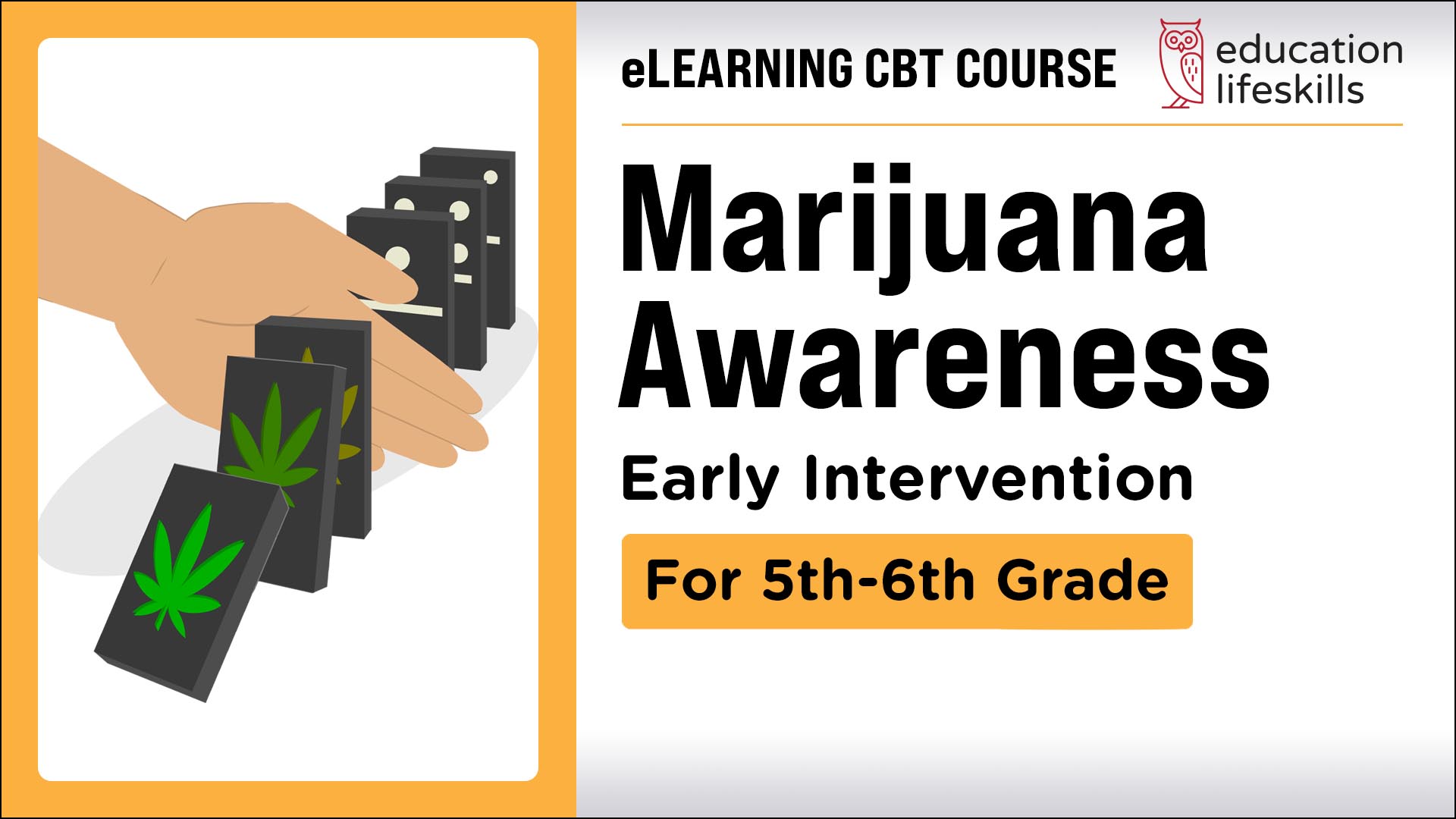
Marijuana Awareness ( SCH 254 )
The Marijuana Prevention Early Intervention course provides information on marijuana use and abuse. It is designed to present students with opportunities to consider their values, attitudes and beliefs around marijuana. This course does not focus on the political differences that surround marijuana use; rather, it confronts underlying thinking errors that lead to poor decision-making and negative life outcomes.
Course Overview
Marijuana Prevention ( SCH 209 )
This course does not focus on the political or scientific differences that surround marijuana use, rather it focuses on the deep seated thinking errors that are associated with marijuana abuse. Participants are given an opportunity for self-discovery as they read and respond to real stories of how marijuana abuse has affected real lives. Tangible solutions and increased awareness can help participants avoid the negative consequences that are connected to marijuana abuse. This course is suitable for both juveniles and adults.
Course Overview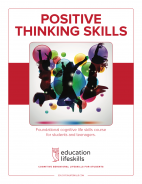
Positive Thinking Skills ( SCH 200 )
This is our foundational cognitive life skills course for students and teenagers. It is highly recommended to take this course in conjunction with the other topic specific courses. But if you are looking for a general course that addresses many common thinking errors such as anger avoidance and self-esteem, then is a good fit. It is 52 pages within 8 units, and takes approximately 16 to 18 hours to complete.
Course Overview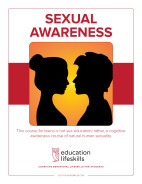
Sexual Awareness ( SCH 204 )
Sexual Awareness is a cognitive sexual awareness life skills course for teens. It is not sex education rather a cognitive awareness course of natural human sexuality. Written as historical fiction, it follows the lives of how teens struggled with their own sexuality. This course can be serendipitous, an unsuspected gem of awareness and protection for youth, as they struggle with changing bodies and their own sexuality.
Course Overview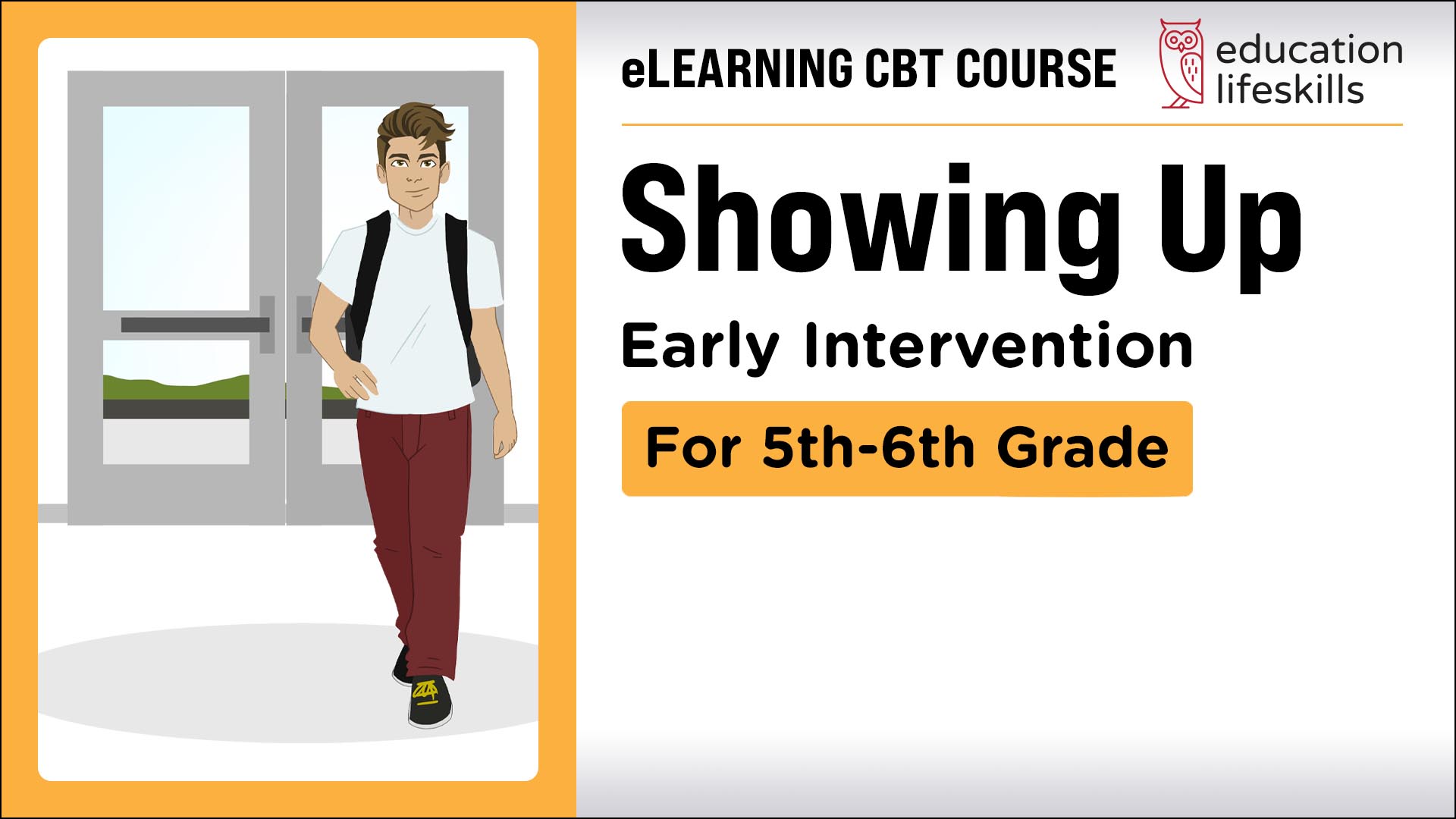
Showing Up ( SCH 251 )
The Showing Up Early Intervention course is designed for students who struggle with truancy due to negative values, attitudes and beliefs around attending school. The course material discusses the importance of showing up for oneself - both in school, and in life. Students will also work on topics such as personal responsibility, attendance, and habits for success.
Course Overview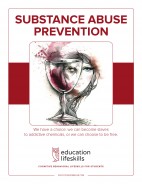
Substance Abuse Prevention ( SCH 201 )
This is an evidence-based course that demonstrates the risks of substance abuse for high school students and teenagers. It is based on over 30 years of working with juvenile substance abuse offenders. This course follows the lives of real individuals that have struggled with their chemical addictions demonstrating their victories and defeats. This course is presented in 4 units, and takes approximately 4 to 6 hours to complete.
Course Overview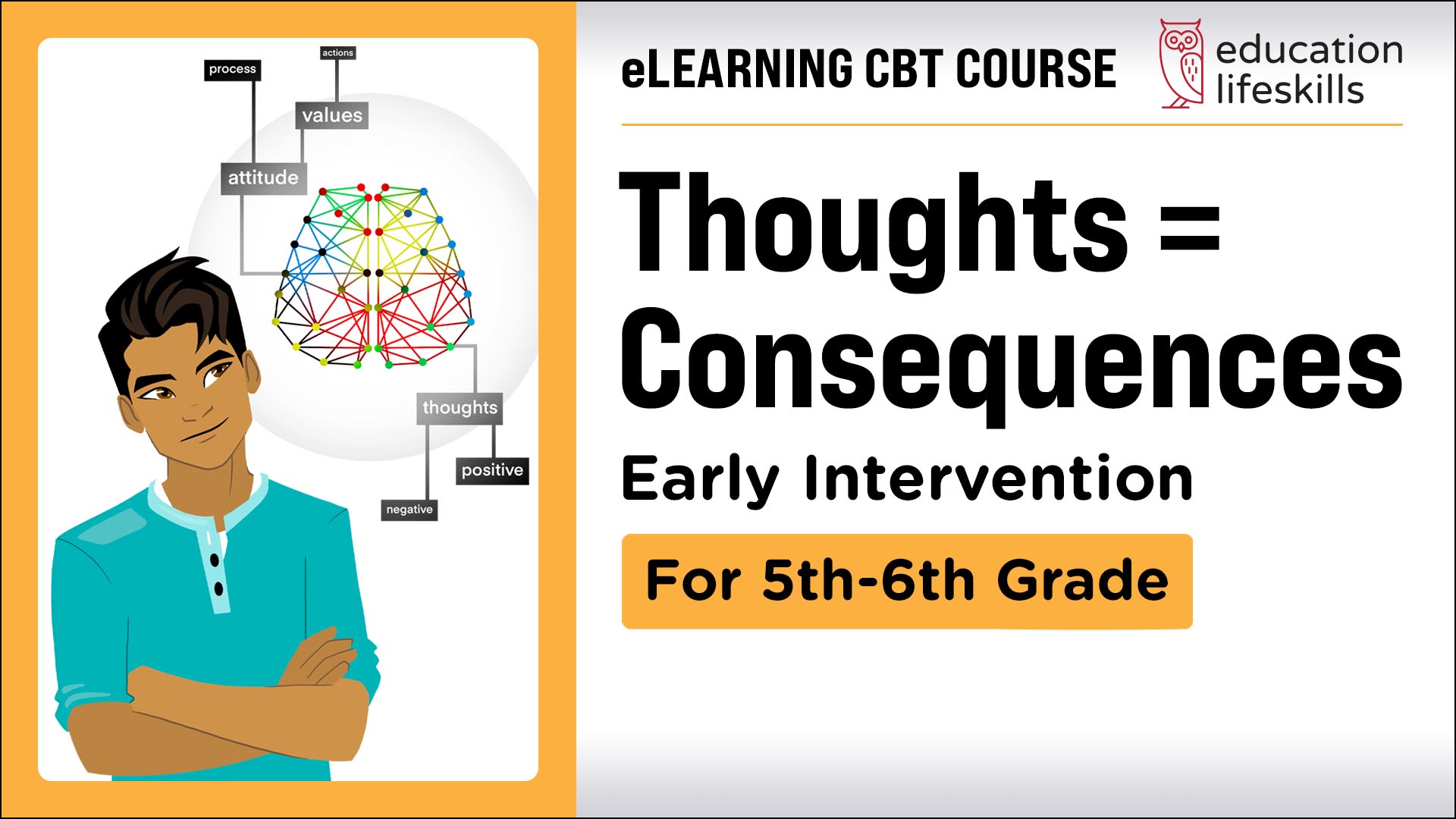
Thoughts = Consequences ( SCH 255 )
The Thoughts = Consequences Early Intervention course is for students who struggle with making positive choices on campus and in life. The course highlights the ACCI Subconscious Mind Model which illustrates how our subconscious mind is programmed through repeated experiences and relationships. Students will learn about “scripting” and how they can positively “script” their thinking patterns and rewrite negative beliefs about themselves and the world around them.
Course Overview
Truancy Prevention ( SCH 210 )
Truancy Prevention is a course of self discovery that focuses on the thinking errors that lead to truancy and dropping out of school. This is not an educational program, rather a cognitive restructuring course that works in the cognitive domain to challenge faulty thinking and the affective domain to build self-esteem. It is course that helps students with their social, emotional, and academic progress.
Course Overview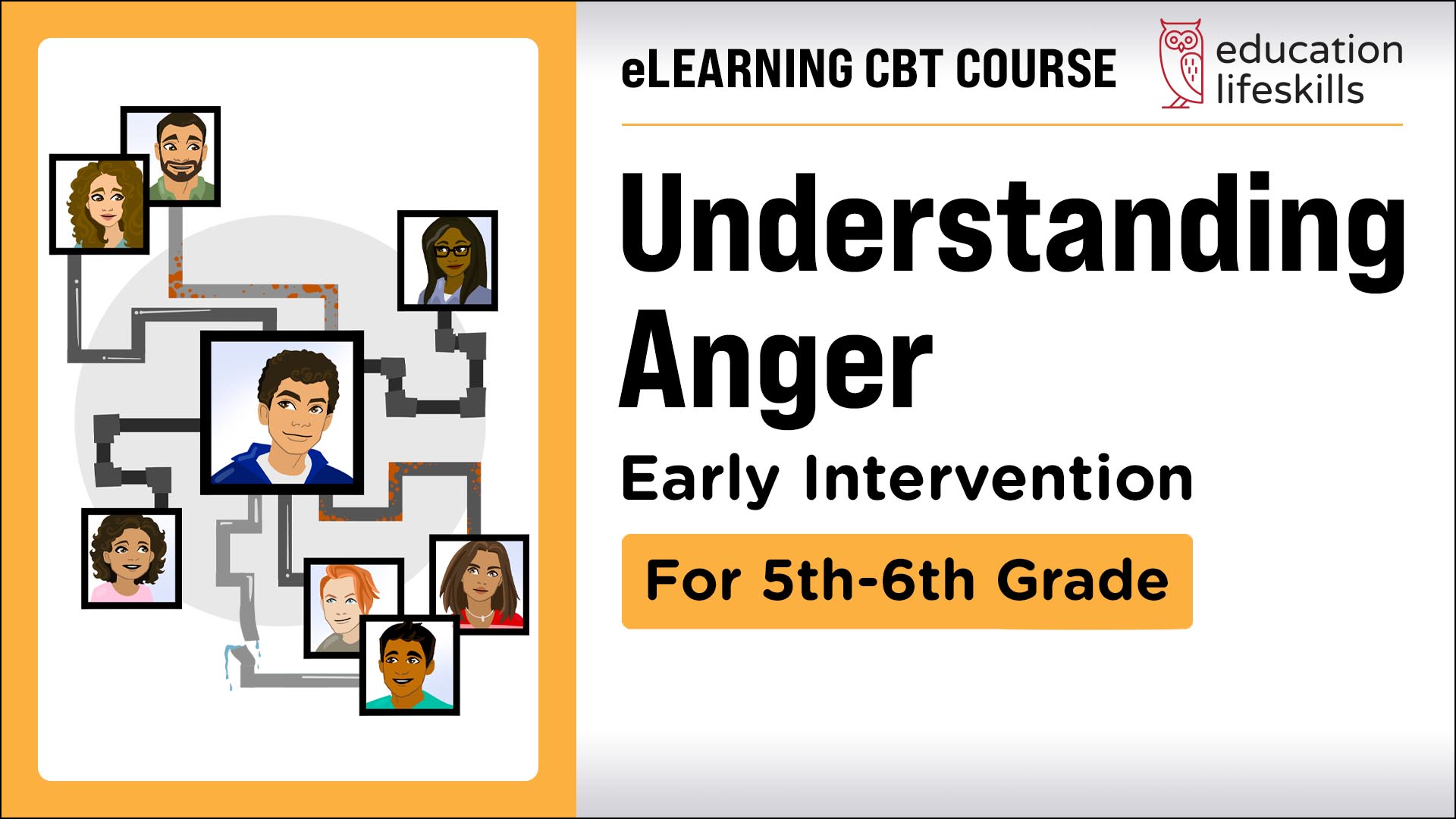
Understanding Anger ( SCH 252 )
The Understanding Anger Early Intervention course is designed to help students navigate peer-to-peer conflicts. The focus of this course is to help students identify their sources of anger and to develop skills for avoiding it altogether. Students will learn the difference between primary and secondary emotions and the role they play in manifestations of anger.
Course Overview
Vaping Awareness ( SCH 211 )
This course is designed for both prevention and early intervention for students who are considering or experimenting with tobacco use. All types of tobacco use are addressed including vaping, e-cigarettes, and chewing tobacco. Students are presented with several facts, stories and questions that help them see clearly the risks associated with tobacco use.
Course Overview
Vaping Awareness ( SCH 253 )
The Vaping Awareness Early Intervention course presents students with several facts, stories and questions that help them understand the risks associated with vaping. The course challenges students’ thought processes and provides opportunities for new perspectives and self-discovery.
Course Overview